
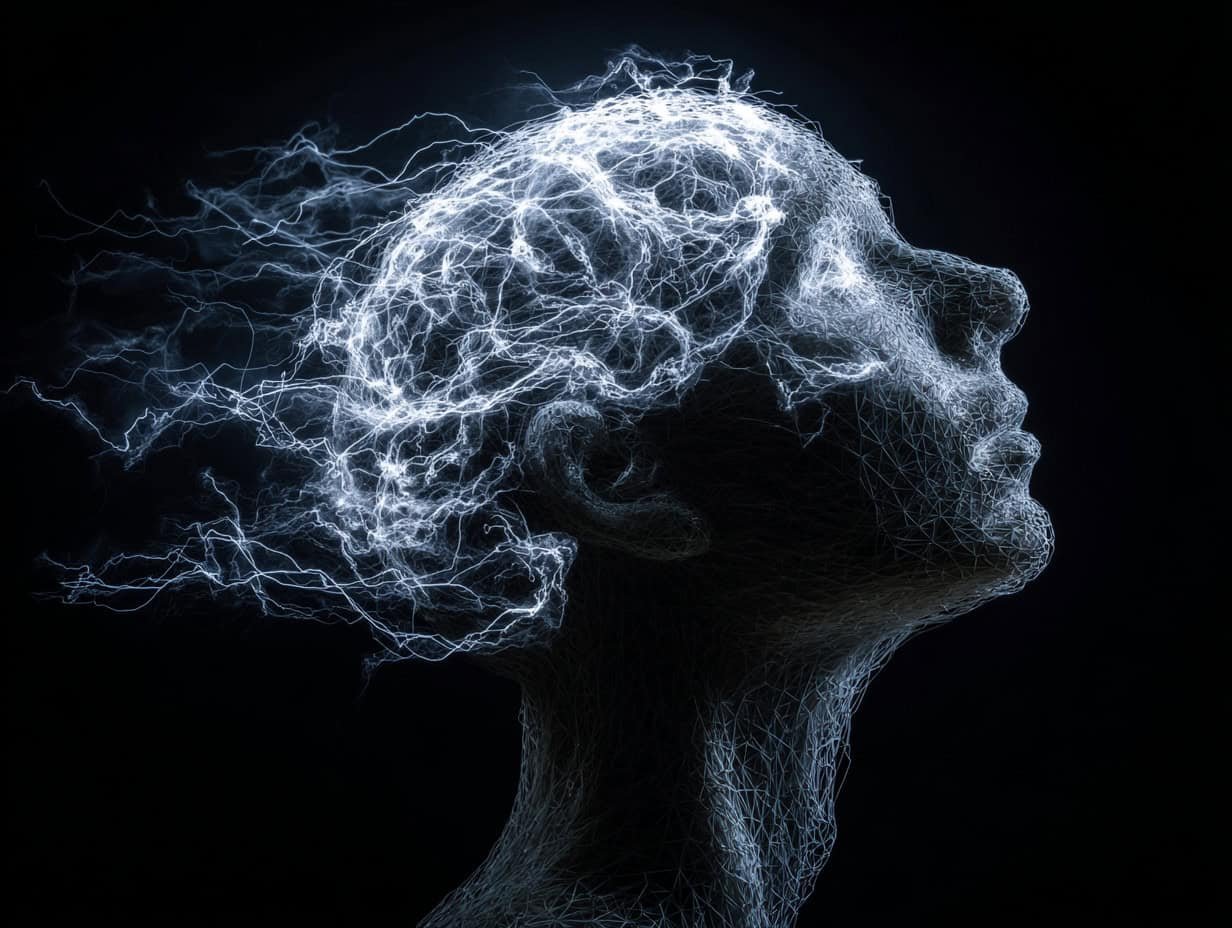
One of the problems, and there are many, believe me, of going public about one’s mental health, is the reaction from those around you. You’ve either become, in their eyes at least, some sort of delicate flower that could wilt at the slightest provocation, or they fear you’re a live cannon about to irrationally erupt. People treat you with kid gloves, or they ignore you, or say shit like, “how’s it going,” and point at their own heads; as if pantomiming some imaginary ailment. Basically enquiring, “are you still crazy?” But in a nice way. Mental illness small talk. Akin to chit-chatting about the weather. The next cocktail party conversation craze.
Internally I’m thinking, am I okay? My time with TMS therapy (Transcranial Magnetic Stimulation) is done and over and I’m not sure how I feel about the results. Did it help? I feel there were benefits, though minimal and ambiguous. Am I still depressed? On occasion, yes. Am I suicidal? No. I felt the best, after a morning TMS session, when I’d ride my bike for an hour. Endorphins co-mingling with whatever the hell the TMS started. But that was then, this is now, and like before the treatment, some days I’m still struggling.
I have to admit that my expectations of the actual abilities of therapy and medication are erroneously high. I want a pill to cure all my ails. I want to sit in a room and have another person fix me. I want the magnet attached to my head to make it all go away. In reality these therapies are all just stabs in the dark. Maybe we’ll figure it out. Maybe we won’t. The vast and unknown realm of mental illness. Take this drug and let’s see what happens. Oh, you’re suicidal? Stop taking it.
In the meantime, I’m the only one that is still suffering. It’s not like the psychiatrist is going home plagued by my problems (and if they are, I need to get another damn psychiatrist). The pharmacist isn’t titrating on yet another psych-med and unable to leave the house. The therapist isn’t talking about their day-to-day struggles with another therapist… no, they’re complaining about me and how discouraging it is that I can’t get my shit together.
I’ve been depressed my entire life. But this overwhelming anxiety is a new predicament. It eats away at my confidence. I feel less than, introverted, avoidant and unsure of myself. I feel that everyone can see it as well. Imposter syndrome on steroids. I used to feel like I had something to contribute to the conversation. But I question if I have anything worthwhile to give. Some days I wonder what the hell I’m still doing here.
I know this sounds egotistical, but in recovery I once felt like a role model, someone that is actually doing it. Made it out alive. Walking the walk and talking the talk. But these days it’s a free-for-all as to what version of myself I’ll be when I wake up. I mean really, what kind of role model curls up in a fetal position waiting for the world to go away. Or contemplates putting a gun to his head and ending it all. All of this selfishly focusing on me, and not having time, or the consideration, for the rest of humanity.
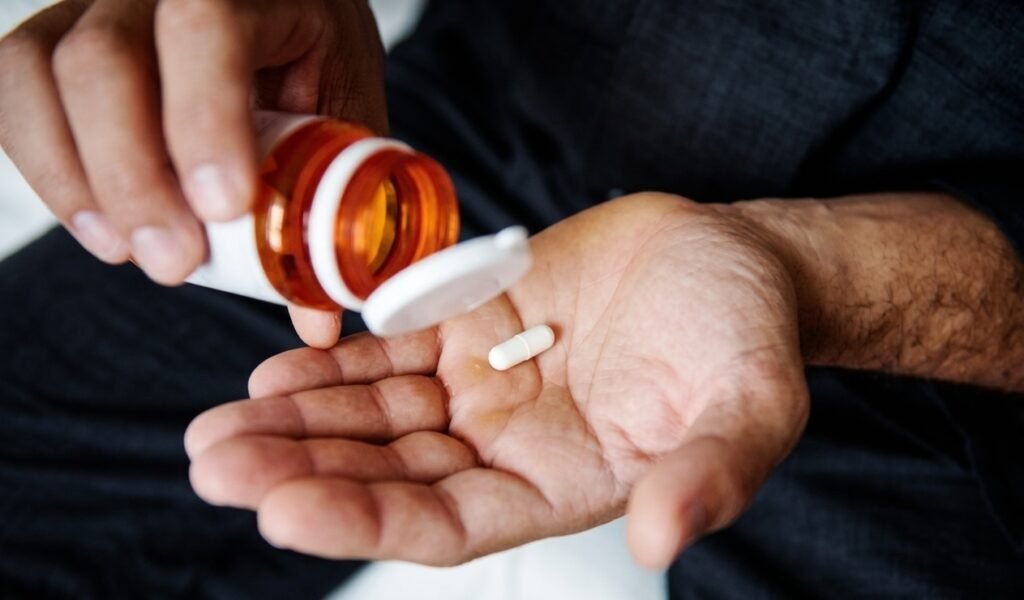
Two months ago I tried another antidepressant; a norepinephrine-dopamine reuptake inhibitor (NDRI). A week in I felt okay. Two weeks, and my anxiety was through the roof. I wanted to crawl out of my skin. I muscled through another week before calling it quits. In the interim I still had to go to work, interact with the masses, navigate life, and be present for others. No mean feat when every fiber of my being was struggling just to breathe.
This getting older thing is not easy. Although I don’t feel I’m in a mental decline, well, not yet anyway, stacking up the years is said to bring on “unique physical, social, and emotional shifts that can significantly influence mental health and overall well-being.” A nice way of saying you’re deteriorating. Studies have shown that with “normal” aging our thinking gets slower and memory less accurate. Sleep becomes difficult, causing fatigue and a general malaise of futility. Regret and the rehashing of past transgressions, becomes more prominent, triggering grief, resentments, and fear. The body can’t perform like it used to; daily chronic pain is the norm. In the aftermath, the likelihood of experiencing depression and anxiety increases.
Another added “bonus” with aging is there’s a shift in brain chemistry, causing a decline in serotonin neurons and the density of serotonin receptors, creating havoc with our moods, leaving us vulnerable to depressive episodes. Meanwhile our ability to respond to endorphins slows down, heightening feelings of anxiety and emotional fatigue. As if that wasn’t enough, we stop producing enough dopamine, the thing that gives us motivation and pleasure, and GABA, the brain’s primary inhibitory neurotransmitter, or calming agent. Making it harder for the nervous system to “turn off” our stress response, causing chronic anxiety. All of this causing critical biological changes to occur in our brains.
“I just don’t feel a hundred percent,” I said to my psychiatrist. “There’s days I feel off, introverted, and unconfident.”
“You’ve exhausted the majority of the newer medications,” she said. “You said the side effects were too adverse.”
“How about trying one of the old ones? Like Prozac, Paxil, Zoloft, or some other tried and true antidepressant.”
My psychiatrist prescribed a selective serotonin reuptake inhibitor (SSRI). So far so good. I haven’t packed on weight. I’m not sweating profusely or contemplating suicide, or doubled over wit stomach cramps. My libido hasn’t taken a hike, and I’m not plagued by constant diarrhea, or haunted by vivid psychotic dreams (all of which I experienced with previous attempts with the “newer” medications).
In an uncharacteristic moment of proactiveness, I called the TMS clinic and finagled a one-day-a-week maintenance session. Now on Fridays I go in and get zapped, then ride my bike in the hills above my house. I’ve upped my régime of supplements; omega 3s, CoQ10, electrolytes, magnesium, and L-theanine. I meditate daily. I try to be social when every inch of me screams to isolate. I strive to be of service to others, be compassionate, less judgmental, and forgiving—even to myself. I do my best to embody the person I want everyone to think I am, and I try to find gratitude for what I do have. I don’t know what else to do so I am doing everything in my power to stay as positive as possible and not go down that rabbit hole of depression and anxiety again.